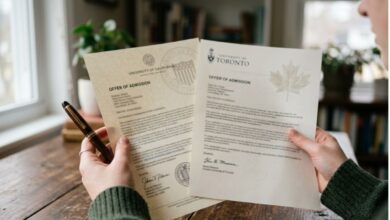
Common Scholarship Mistakes That Can Hurt Your Application
Introduction
Scholarship applications can be competitive, but many students reduce their chances before selection even begins. The problem is often not talent. It is applying to the wrong awards, ignoring eligibility details, sending generic essays, missing document rules, or trusting unreliable sources.
This guide focuses on mistakes that can hurt an international scholarship application and how to avoid them. It is designed for students who want a practical, careful process rather than a rushed search for any funding opportunity.
Mistake 1: Applying Without Real Eligibility
Eligibility is not flexible unless the provider says it is. If a scholarship requires a specific citizenship, study level, field, institution, age range, admission status, language score, or country of residence, the student should treat that rule seriously.
Applying without eligibility wastes time and can distract from better-fit awards. Students should make a yes/no checklist before writing essays. If one requirement is unclear, ask the official provider or institution rather than guessing.
Mistake 2: Using a Generic Essay
Generic essays often sound polished but empty. They talk about dreams, passion, and opportunity without explaining why the student fits the scholarship. A strong essay connects evidence, programme choice, scholarship purpose, and future plan.
Students can reuse parts of their story, but each final essay should answer the exact prompt. If the scholarship focuses on leadership, the essay should show leadership evidence. If it focuses on research, the essay should show research preparation and fit.
Mistake 3: Missing Separate Deadlines
Some students complete admission forms but miss the scholarship deadline. Others apply for a scholarship but forget that references, test scores, or transcripts have separate timing rules. A scholarship calendar should include every required step, not just the final submission date.
Time zones also matter. A deadline listed in the provider’s local time may close earlier than expected for international applicants. Submitting before the final day is safer than relying on the last hour.
Mistake 4: Ignoring Remaining Costs
A scholarship may reduce tuition but not cover housing, food, insurance, travel, visa fees, books, equipment, or deposits. Students who ignore remaining costs may accept an offer that becomes stressful later.
The right question is not only how much the scholarship is worth. It is whether the total plan is affordable after the award. This includes first-month cash needs before any stipend or support arrives.
Mistake 5: Weak References
A reference letter is not just a formality. It can confirm academic strength, maturity, integrity, leadership, research ability, or professional promise. A rushed or vague reference may fail to support the application.
Students should ask referees early and share the scholarship criteria, CV, programme details, deadline, and points they hope the letter can address. This makes it easier for the referee to write something useful and specific.
Mistake 6: Trusting Scholarship Scams
Scholarship scams can use official-looking names, urgent messages, fake guarantees, and requests for fees or private financial information. Students should be cautious with anyone promising guaranteed approval or asking for payment to release an award.
Legitimate scholarships are usually transparent about provider identity, eligibility, selection process, deadline, award value, and official contact channels. When in doubt, students should verify through government, university, or recognized organization websites.
Mistake 7: Submitting Messy Documents
Unreadable scans, wrong file names, missing pages, expired documents, inconsistent names, and informal translations can hurt an application. Administrative quality signals seriousness. A strong candidate should not let weak file preparation create doubt.
Before submission, students should open every document, check page order, confirm file size, and make sure the uploaded version is the final version. Application portals may not allow changes after submission.
How to Repair a Weak Application Process
Students who have made mistakes should not panic. The best response is to improve the system: create a scholarship tracker, separate documents by award, build earlier reference deadlines, and choose fewer but better-fit opportunities.
It can also help to review past applications and identify the main weakness. Was the essay vague? Were documents late? Was the award a poor fit? A clear diagnosis turns a rejected application into useful preparation for the next cycle.
Mistake Prevention Table
| Mistake | Why It Hurts | Better Approach |
|---|---|---|
| No eligibility check | Application may be invalid | Create a requirement checklist |
| Generic essay | Weak scholarship fit | Tailor evidence to the award |
| Late documents | Incomplete submission | Set internal deadlines |
| Unverified offers | Scam and data risk | Use official sources |
| Poor budgeting | Funding gap after acceptance | Calculate net cost |
Conclusion
Avoiding scholarship mistakes is not about perfection. It is about careful preparation. Students who verify eligibility, plan documents early, write specific essays, protect themselves from scams, and calculate real costs give their applications a stronger foundation.
For more information, review the official guidance below before taking the next step.
You will be redirected to another website
FAQ
Can a small mistake disqualify an application?
Sometimes. Missing documents, wrong eligibility, late submission, or incorrect formats can make an application incomplete. Students should follow official instructions closely.
Are paid scholarship agents necessary?
Usually no. Many legitimate scholarship searches and applications can be completed directly through official providers. Be cautious with anyone promising guaranteed approval for a fee.
Should I apply to as many scholarships as possible?
Quality matters. Applying to many poorly matched awards can waste time. A focused list of eligible scholarships usually works better.
What should I do after rejection?
Review fit, essay quality, documents, references, and timing. Then improve the next application cycle with a clearer system and better evidence.
Editorial Note
This article is general educational information and does not provide legal, immigration, financial, admission, or scholarship consulting advice. Scholarship rules, documents, deadlines, funding values, and eligibility criteria can change. Readers should verify details through official sources and the relevant institution before making decisions.
Published on: 31 de August de 2026

Daniel Carter
Daniel Carter is the lead editor at Abroad FinancasPro, where he researches and edits practical guides about visa sponsorship, scholarships, travel preparation, immigration documents, and living abroad. His work focuses on helping readers understand requirements, compare options, prepare documents, avoid common mistakes, and verify important details with official sources before taking the next step.