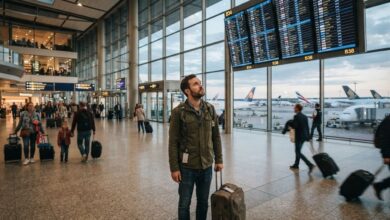
Australia Travel Guide: Flights, Insurance, Documents, and Money Tips
Introduction
Anúncios
Australia is a rewarding destination, but it requires practical planning because distances are large, flights can be long, and costs can vary significantly by city and season. A good plan should connect documents, insurance, money, transport, health, and arrival timing.
This guide is for travellers preparing a first or occasional trip to Australia. It focuses on decisions that help avoid expensive mistakes before departure and during the first days after arrival.
Documents and Entry Preparation
Travellers should confirm the correct entry permission before booking non-refundable flights. Requirements can depend on nationality, purpose of travel, length of stay, and whether the person is visiting, studying, transiting, or attending a business activity.
Important documents should be stored both digitally and offline. These may include passport, visa or travel authorization confirmation, flight details, accommodation, insurance policy, emergency contacts, and evidence related to the purpose of the trip.
Long-Haul Flight Planning
Flights to Australia can be long and may involve one or more connections. Travellers should compare total travel time, layover length, baggage rules, arrival time, and airport transfer options. The cheapest fare is not always the best option if it creates exhaustion or missed connections.
A comfortable layover can be worth more than a small fare saving. Travellers should allow enough time for security, terminal changes, delays, and baggage procedures. This matters especially when flights are booked separately.
Travel Insurance and Health
Travel insurance should be arranged before departure and checked carefully. It should match the trip length, destination, planned activities, medical needs, baggage value, and cancellation risk. Travellers doing sports, road trips, diving, hiking, or remote travel may need specific coverage.
Health planning should include prescription medicines, medical letters if needed, sun protection, hydration, and awareness of local conditions. Travellers should check medicine rules before carrying large quantities or controlled substances across borders.
Money and Daily Budget
Australia can be expensive for accommodation, domestic flights, restaurants, and tourist activities. Budgeting should include airport transfers, public transport cards, mobile data, food, laundry, luggage storage, and emergency funds.
Travellers should carry more than one payment option. A card may be declined, a phone wallet may fail, or a bank may block unusual transactions. A backup card and a small amount of cash can prevent unnecessary stress.
City and Distance Reality
Australia’s size is easy to underestimate. Visiting Sydney, Melbourne, Brisbane, Perth, Cairns, and the Outback in one short trip may be unrealistic or expensive. Domestic flights can save time, but they add baggage, airport, and schedule costs.
A better plan is to choose fewer regions and experience them properly. For example, a city stay plus one nature area may be more enjoyable than rushing across several states with little rest.
Accommodation and Transport
Accommodation should be reviewed for location, public transport access, kitchen facilities, cancellation rules, and late check-in options. A kitchen can reduce food costs on longer stays, while a central location can reduce transport time.
Transport varies by city. Some areas are easy with public transport, while others may require rideshares, tours, or car rental. If renting a car, travellers should check license rules, insurance, road conditions, parking, and long-distance driving safety.
Weather and Seasonal Planning
Australia’s seasons may be opposite to the traveller’s home country, and weather varies by region. Tropical areas, desert areas, coastal cities, and southern cities can feel very different during the same month.
Packing should be based on destination and activities, not only the word Australia. Sun protection, comfortable shoes, refillable water bottle, weather-appropriate clothing, and chargers are practical priorities.
Practical Arrival Checklist
- Confirm entry permission and passport validity.
- Review flight connections and baggage rules.
- Buy insurance that matches planned activities.
- Prepare offline documents and emergency contacts.
- Set up backup payment methods.
- Research airport transfer before landing.
- Avoid overloading the itinerary with distant regions.
Common Cost Traps
Common cost traps include booking separate flights with tight connections, underestimating domestic travel, choosing remote accommodation without transport, forgetting travel insurance exclusions, eating every meal in tourist areas, and carrying overweight baggage on internal flights.
Travellers can reduce these risks by comparing total cost, not only headline prices. A slightly more expensive hotel near transport or a better flight connection can save money and energy across the trip.
Planning a Realistic Route
A realistic Australia itinerary usually respects distance and recovery time. Travellers should avoid planning a major activity immediately after a long-haul arrival, especially if they cross many time zones. Jet lag can affect driving, decision-making, and enjoyment.
For shorter trips, it may be better to choose one region and add day trips rather than trying to see the entire country. For longer trips, domestic flights should be treated like separate travel days, with time for airport transfers, baggage, delays, and check-in.
Food, Mobile Data, and Small Expenses
Small costs can add up quickly. Coffee, bottled water, snacks, mobile data, laundry, sunscreen, adapters, luggage storage, and short rideshares may not look important individually, but they can affect the daily budget. Travellers should add a flexible daily amount for these items.
A local SIM or travel eSIM can be useful for navigation, bookings, and emergency contact. However, travellers should set it up carefully and keep access to banking or authentication apps before switching numbers or data plans.
Remote Areas and Activity Planning
Travellers planning beaches, national parks, road trips, diving, hiking, or remote destinations should prepare beyond city travel. Distances, weather, mobile coverage, fuel, water, medical access, and tour cancellation rules can matter. A plan that works in Sydney or Melbourne may not work in a remote area.
If joining tours, check pickup points, cancellation terms, insurance needs, and what is included. Some activities require early starts, specific clothing, or health disclosures. Reading details before arrival avoids last-minute spending and missed tours.
Arrival Recovery Time
Because flights to Australia can be long, the first day should be lighter than normal. Travellers should avoid scheduling expensive non-refundable activities immediately after arrival. Delays, jet lag, and baggage issues are easier to handle when the plan has space.
A simple first day can include check-in, local SIM setup, grocery basics, short walk, and rest. This makes the rest of the trip more enjoyable and safer, especially before driving or outdoor activities.
This buffer is also useful if bags arrive late or the traveller needs to solve a card, hotel, or transport issue after landing. A calm first day often saves money across the whole trip.
Quick Review Table
| Planning Area | Main Question | Practical Benefit |
|---|---|---|
| Flights | Are layovers and baggage rules realistic? | Reduces missed connection risk |
| Insurance | Does it cover activities and health needs? | Avoids uncovered expenses |
| Budget | Are domestic distances included? | Prevents surprise costs |
| Transport | Is the accommodation connected? | Saves time and money |
For more information, review the official guidance below before taking the next step.
You will be redirected to another website
FAQ
Is Australia expensive for tourists?
It can be, especially in major cities and during peak seasons. Travellers should budget for accommodation, transport, food, insurance, activities, and domestic distances.
Should I buy travel insurance for Australia?
Yes, suitable travel insurance is strongly recommended. The policy should match the trip length, health needs, baggage value, cancellations, and planned activities.
Can I visit many Australian cities in one short trip?
It is possible but often tiring and expensive. Australia is large, so fewer destinations with better planning can create a smoother trip.
What should I check before renting a car?
Check license rules, insurance, road conditions, parking, distance, fatigue risk, and whether the rental agreement covers the planned route.
Editorial Note
This article is general educational information and does not provide legal, immigration, medical, insurance, financial, or travel advisory services. Entry rules, prices, safety conditions, insurance terms, transport policies, and document requirements can change. Readers should verify details with official sources, airlines, insurers, and relevant authorities before booking or travelling.