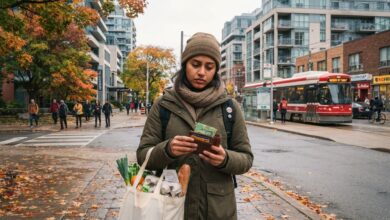
Step-by-Step Guide to Adapting to Life in a New Country
Adapting to life in a new country is not a single event. It is a series of small adjustments: learning how people communicate, where to buy essentials, how appointments work, what documents are needed, how to move around, and how to build a normal routine without the support system you had at home.
The first weeks can be exciting and exhausting at the same time. Many newcomers expect culture shock to feel dramatic, but it often appears in practical moments: misunderstanding a bill, missing a transport rule, struggling with a landlord, feeling lonely after work, or not knowing which office to contact.
The First Rule: Build Stability Before Lifestyle
It is tempting to explore everything immediately, but stability should come first. A newcomer who has housing, transport, phone access, emergency contacts, and a basic budget will handle stress better than someone chasing the perfect lifestyle before the basics are settled.
This does not mean avoiding fun. It means creating a base that makes exploration easier. Once the essentials are predictable, the country starts to feel less like a challenge and more like a place where normal life can happen.
The 30-Day Adjustment Map
| Time Period | Main Focus | Useful Action |
|---|---|---|
| First week | Orientation and documents | Confirm address, phone access, transport, and urgent appointments. |
| Weeks 2-3 | Daily routine | Find grocery stores, pharmacies, commute options, and basic services. |
| First month | Money and housing | Track expenses and review whether housing still fits your needs. |
| Months 2-3 | Social support | Join local groups, language practice, professional networks, or community events. |
| After 3 months | Longer-term planning | Review work, study, savings, health, and residence priorities. |
Language: Learn Survival Phrases First
Even in countries where English is common, learning local language basics changes the experience. Focus first on survival phrases: appointments, addresses, food, transport, health, banking, housing, and emergencies. Fluency can come later, but early confidence helps with daily tasks.
A useful routine is to learn phrases connected to the week ahead. If you have a doctor appointment, learn health vocabulary. If you are viewing apartments, learn lease and deposit terms. Language becomes easier when it solves real problems.
Social Life Without Forcing It
Loneliness is one of the most common but least planned parts of moving abroad. Newcomers may have work or study contact, but still lack deeper support. Building social life takes repetition, not one perfect event.
Try recurring environments: language classes, sports groups, volunteering, professional meetups, religious or cultural communities if relevant, parent groups, coworking spaces, or local hobby classes. Familiar faces often matter more than instant friendship.
Practical Culture Shock
- Appointments may require more advance booking than expected.
- Customer service style may be more direct, slower, or more formal.
- Neighbors, coworkers, and landlords may communicate differently.
- Rules around noise, recycling, public transport, tipping, or paperwork may be unfamiliar.
- Banking, healthcare, and housing systems may depend on documents you did not need before.
Money Habits During Adaptation
The adaptation period can distort spending. People buy convenience because they are tired, choose expensive options because they do not know alternatives, or spend extra to reduce loneliness. This is normal, but it should be tracked.
Create a “learning budget” for the first months. It can include mistakes, extra transport, setup purchases, local SIM issues, delivery meals, or replacement items. Treating these costs as part of the transition makes the budget more honest.
How to Feel More Local
- Use the same grocery stores and transport routes for a few weeks.
- Learn how local appointments and official offices communicate.
- Create a weekly routine for cleaning, shopping, exercise, and money review.
- Ask coworkers or neighbors practical questions, not overly broad ones.
- Keep copies of important documents in both digital and printed form.
- Build one local emergency plan: who to call, where to go, and how to pay.
Work, Study, and Identity Changes
A move abroad can change how people see themselves. A professional who was confident at home may feel inexperienced when learning a new job market. A student may feel independent and overwhelmed at the same time. A parent may have to rebuild routines for the entire family while handling their own stress quietly.
This emotional adjustment is practical, not just personal. It affects job interviews, money decisions, language confidence, and how quickly someone asks for help. A useful approach is to separate identity from transition. Struggling with a new system does not erase previous skills; it means those skills need time to translate into a new environment.
Building a Local Information System
Newcomers need reliable local information. Start by saving official websites for immigration, tax, transport, healthcare, emergency services, tenant rights, and consumer protection. Then add practical sources such as local libraries, community centers, university offices, employer HR contacts, and city service pages.
This prevents a common problem: relying too much on one social media group. Community groups can be helpful, but advice can be outdated or specific to one person’s situation. When the topic involves documents, money, housing, or legal status, official information should be the final check.
A Weekly Routine That Reduces Stress
A simple weekly routine can make adaptation feel less chaotic. Choose one day to review money, one hour to handle documents, one activity for language or local learning, and one social activity that repeats. The routine does not need to be perfect. It only needs to create rhythm.
For example, Sunday can be used to check spending and plan groceries, Tuesday for language practice, Thursday for paperwork or appointments, and Saturday for a low-cost local activity. Repetition helps the new country feel familiar. It also prevents all problems from piling up at once.
When to Ask for Help
Many newcomers wait too long to ask for help because they do not want to look unprepared. In reality, asking precise questions is a sign of adaptation. Instead of asking “how does everything work here?”, ask “which document do I need for this appointment?” or “which official page explains this fee?” Specific questions get better answers and reduce misinformation.
It also helps to separate urgent help from general advice. Urgent help may involve healthcare, legal status, housing safety, or lost documents. General advice may involve neighborhoods, shopping, language practice, or local customs. Knowing the difference helps the reader choose the right source instead of asking a casual group about a serious problem.
A practical rule is to write down the answer and the source. If three people give different advice, the written source helps decide what to trust. This habit is especially useful when adapting to a place where informal tips and official rules do not always match.
Conclusion
Adapting to a new country is easier when you stop measuring success by how quickly everything feels perfect. A better goal is steady improvement: fewer surprises, clearer routines, better language confidence, and more reliable support. The first months are not proof of whether the move was right or wrong. They are the setup period for a more stable life.
For more information, review the official guidance below before taking the next step.
You will be redirected to another website
FAQ
How long does it take to adapt to a new country?
It varies. Some people feel comfortable after a few months, while others need a year or more. Work, language, housing, family situation, money pressure, and social support all affect the timeline.
Is culture shock normal?
Yes. Culture shock can appear as tiredness, frustration, confusion, homesickness, or loss of confidence. It does not mean the move failed. It usually means your brain is processing too many new systems at once.
What helps most in the first month?
Stable housing, phone access, transport knowledge, emergency contacts, basic language phrases, and a realistic budget help the most. These basics reduce daily stress and make larger goals easier to handle.
Should I stay close to people from my home country?
It can help, especially at the beginning, but balance is important. A familiar community can reduce loneliness, while local connections and language practice help long-term integration.
Published on: 31 de August de 2026

Daniel Carter
Daniel Carter is the lead editor at Abroad FinancasPro, where he researches and edits practical guides about visa sponsorship, scholarships, travel preparation, immigration documents, and living abroad. His work focuses on helping readers understand requirements, compare options, prepare documents, avoid common mistakes, and verify important details with official sources before taking the next step.