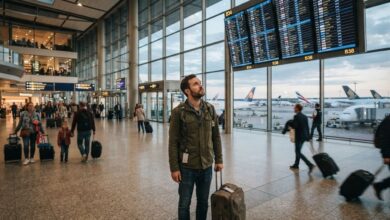
Step-by-Step Guide to Preparing for Long-Haul International Flights
Introduction
Anúncios
Long-haul international flights can be tiring even for experienced travellers. The flight itself is only one part of the challenge. Documents, baggage, airport timing, layovers, sleep, hydration, medication, jet lag, and arrival transport all affect the experience.
This step-by-step guide helps travellers prepare for long flights in a practical way. It focuses on comfort, safety, organization, and avoiding mistakes that can make the trip more stressful or expensive.
Step 1: Check Documents Early
Before focusing on packing, travellers should confirm passport validity, visa or travel authorization, transit rules, airline requirements, and destination entry documents. A long-haul ticket may involve more than one country, and transit rules can matter even if the traveller does not leave the airport.
Keep digital and offline copies of passport details, flight itinerary, accommodation, insurance, visa documents, and emergency contacts. If a phone fails, the traveller should still be able to show key information.
Step 2: Choose Flights Carefully
A long-haul itinerary should be compared by total travel time, layover length, airport quality, arrival time, baggage rules, and protection on connecting flights. The cheapest route may include long waits, awkward arrivals, or separate tickets that increase risk.
A comfortable layover can make the journey smoother. Too short creates stress; too long creates fatigue. Travellers should consider whether they need time for security, immigration, terminal changes, baggage, or meals.
Step 3: Pack the Cabin Bag Strategically
The cabin bag should include essentials for the flight and the first day if checked baggage is delayed. Useful items include medication, documents, chargers, power bank where allowed, toiletries within liquid rules, spare clothes, glasses, snacks if permitted, and valuables.
Do not pack critical medication or important documents only in checked luggage. If the checked bag is delayed, the traveller may be left without essential items in a new country.
Step 4: Plan Sleep and Comfort
Comfort items can help on long flights: neck pillow, eye mask, earplugs, layers, comfortable socks, and a refillable water bottle after security where permitted. Clothing should allow movement and temperature changes.
Travellers should decide whether to sleep according to destination time or their current time. There is no perfect method for everyone, but having a plan can reduce jet lag and help with arrival day decisions.
Step 5: Hydration, Movement, and Health
Long flights involve sitting for extended periods. Travellers should drink water, move when safe, stretch gently, and follow medical advice if they have health conditions. Alcohol and too much caffeine can worsen dehydration or sleep disruption for some people.
Travellers with medical conditions, pregnancy, recent surgery, mobility issues, or concerns about blood clots should consult a qualified health professional before travel. Airline and insurance rules may also matter in medical situations.
Step 6: Manage Food and Medication Timing
Meal timing can feel confusing on long flights. Travellers with dietary needs should request special meals early if the airline offers them. Carrying allowed snacks can help during delays or when airline meals do not fit personal needs.
Medication timing should be planned carefully across time zones. Travellers should ask a healthcare professional when timing matters, and carry medicine in original packaging with documents if needed.
Step 7: Prepare for Arrival
Arrival after a long flight is when mistakes often happen. Travellers may be tired, hungry, and less patient. Airport transfer, accommodation address, check-in time, local currency, and mobile data should be planned before landing.
Avoid scheduling major activities immediately after arrival. A slower first day allows time to recover, solve baggage or transport issues, and adjust to the new environment.
Step 8: Handle Delays Calmly
Long-haul trips are vulnerable to delays, missed connections, and baggage problems. Travellers should keep airline apps, booking references, insurance details, and essential documents available. If disruption happens, document what occurred and contact the airline or booking provider through official channels.
Travel insurance may require receipts, proof of delay, or reports. Keeping records during the disruption is easier than trying to collect them later.
Long-Haul Packing Checklist
- Passport, visa documents, itinerary, and insurance.
- Medication and essential health items.
- Chargers, adapters, and approved power bank.
- Spare clothes and basic toiletries.
- Comfort layers, eye mask, and earplugs.
- Allowed snacks and empty refillable bottle.
- Offline accommodation and transfer details.
Mistakes to Avoid
Common mistakes include booking tight separate connections, packing medication in checked luggage, wearing uncomfortable clothing, arriving without transport plans, ignoring transit requirements, and scheduling a busy first day after landing.
Another mistake is depending completely on the phone. Batteries fail, roaming may not work, and airport Wi-Fi can be unreliable. Offline copies and printed essentials can be useful.
Seat Choice and Body Comfort
Seat choice matters more on long-haul flights than on short trips. An aisle seat can help travellers who need to move often, while a window seat can help some people sleep. Extra legroom may be worth considering for very long flights, but the benefit should be compared with the price.
Travellers should dress in layers because cabin temperatures change. Tight clothing, uncomfortable shoes, and heavy accessories can make the flight harder. The goal is to arrive functional, not only to look ready at departure.
Connection and Transit Planning
A long-haul route can include transit rules, security checks, terminal changes, and baggage transfer differences. Travellers should check whether bags go through to the final destination or need to be collected during the connection. This is especially important on separate tickets.
If the layover is overnight, travellers should know whether they can leave the airport, whether a transit visa is required, and whether airport hotels or rest areas are available. Guessing during transit can be stressful and expensive.
Managing Jet Lag Without Overcomplicating It
Jet lag planning should be simple. Travellers can adjust sleep gradually before departure, drink water during the flight, avoid scheduling important commitments immediately after arrival, and get daylight at the destination when appropriate. The goal is to help the body adapt without forcing a perfect routine.
Families and older travellers may need more recovery time. Business travellers should avoid placing high-pressure meetings too soon after landing if possible. A realistic schedule makes the long flight feel less punishing.
Protecting Valuables and Essentials
Important items should stay with the traveller, not in checked baggage. This includes passport, money, cards, medication, electronics, glasses, keys, and documents needed on arrival. Checked baggage can be delayed even on well-planned routes.
Travellers should also avoid overpacking the cabin bag to the point that it becomes hard to manage. The best cabin bag is organized, accessible, and light enough to carry through long terminals and security lines.
Flight Preparation Table
| Stage | What to Prepare | Why It Matters |
|---|---|---|
| Before booking | Transit and baggage rules | Avoids route problems |
| Before departure | Documents and cabin essentials | Protects against delays |
| During flight | Hydration, movement, comfort | Reduces fatigue |
| Arrival | Transfer and first-day plan | Makes landing smoother |
For more information, review the official guidance below before taking the next step.
You will be redirected to another website
FAQ
What should I pack in my cabin bag for a long flight?
Pack documents, medication, chargers, valuables, basic toiletries, spare clothes, and anything needed if checked baggage is delayed.
How long should a layover be?
It depends on the airport, ticket type, baggage, immigration, and terminal changes. Avoid very tight layovers, especially on separate tickets.
Should I sleep on the plane?
Many travellers try to adjust toward destination time, but personal health and comfort matter. Avoid making arrival day too demanding.
Is travel insurance useful for long-haul flights?
Yes, if it covers relevant risks such as delays, baggage, cancellations, medical care, and trip interruption. Read the policy terms carefully.
Editorial Note
This article is general educational information and does not provide legal, immigration, medical, insurance, financial, or travel advisory services. Airline rules, entry requirements, prices, insurance terms, safety conditions, and travel policies can change. Readers should verify details with official sources, airlines, insurers, and relevant authorities before booking or travelling.