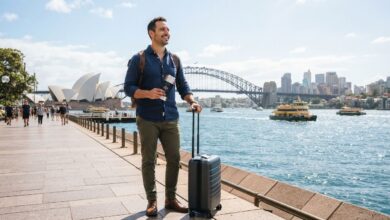
First International Trip Guide: From Passport to Arrival
Introduction
A first international trip can feel overwhelming because the traveller is learning many systems at once: passports, visas, airports, currency, insurance, local transport, accommodation, and border questions. A calm step-by-step plan makes the process much easier.
This guide moves from passport to arrival and focuses on practical preparation. It is written for travellers who want a first trip that feels organized, realistic, and safer, rather than rushed or built only around cheap bookings.
Step 1: Confirm Passport Validity
The passport is the foundation of international travel. Travellers should check expiry date, blank pages, physical condition, and whether the destination or transit country has specific validity rules. Some countries require the passport to remain valid beyond the travel dates.
If renewal is needed, do it before booking non-refundable travel. Passport delays can affect flights, visas, accommodation, insurance, and event plans. The first travel decision should be document readiness, not flight price.
Step 2: Check Entry and Transit Rules
Entry rules depend on nationality, destination, purpose, length of stay, and travel document. Some travellers need a visa, electronic authorization, proof of accommodation, return ticket, insurance, or financial evidence. Transit countries may also have rules.
Official sources should guide this step. Advice from friends, influencers, or old articles may not match the traveller’s passport or current rules. Save the official entry guidance with the trip documents.
Step 3: Build a Realistic Budget
A first trip budget should include flights, baggage, accommodation, airport transfers, local transport, food, insurance, visa or authorization fees, mobile data, attractions, and emergency funds. It should also include costs that appear before travel, such as passport renewal or document printing.
Travellers should separate fixed costs from daily costs. Fixed costs are paid before or at booking. Daily costs are managed during the trip. This prevents the mistake of spending heavily on flights and hotels while leaving too little for food and transport.
Step 4: Choose Flights and Accommodation Together
Flights and accommodation should be planned together because arrival time affects check-in, airport transfer, and first-day comfort. A cheaper late-night flight may require a taxi or an extra hotel night. A better-timed flight can reduce stress.
Accommodation should be chosen for safety, reviews, location, transport access, cancellation rules, and check-in details. First-time travellers often benefit from simple logistics rather than the absolute cheapest option.
Step 5: Buy Suitable Travel Insurance
Travel insurance can help with medical care, trip disruption, baggage problems, and cancellations depending on the policy. Travellers should read coverage limits, deductibles, exclusions, and claim rules before buying.
Insurance should match the trip. Adventure activities, cruises, winter sports, expensive electronics, rental cars, and pre-existing medical conditions may require extra attention or specialized coverage.
Step 6: Prepare Money Access
Travellers should prepare at least two payment methods if possible. A card may be blocked, an ATM may charge high fees, a phone wallet may fail, or bank authentication may not work abroad. A small emergency cash reserve can help.
Before departure, check card foreign transaction fees, ATM rules, bank app access, spending limits, and whether the bank should be notified. Losing access to money on a first trip is stressful and avoidable.
Step 7: Pack Documents and Essentials
Essential documents should be available offline: passport details, visa or authorization, flight itinerary, accommodation address, insurance policy, emergency contacts, and return travel. Keep copies separate from the originals when practical.
The cabin bag should include medication, valuables, chargers, spare clothing, basic toiletries within liquid rules, and anything needed if checked luggage is delayed. Do not put critical items only in checked baggage.
Step 8: Plan the Arrival Day
The arrival day should be simple. Know how to get from the airport to accommodation, how to contact the hotel, what to do if the flight is delayed, and how to access money and mobile data. Avoid scheduling too many activities immediately after landing.
Border officers may ask about travel purpose, length of stay, accommodation, funds, and return plans. Travellers should answer truthfully and keep supporting documents accessible.
Step 9: Create an Emergency Plan
An emergency plan includes insurance contact, bank contact, airline contact, embassy or consulate information, accommodation address, and a trusted person at home. Store this information offline and in the cloud if possible.
Travellers should also know local emergency numbers and what to do if a passport, phone, or card is lost. Planning for problems does not mean expecting them; it means reducing panic if something happens.
First Trip Checklist
- Check passport validity before booking.
- Verify entry and transit requirements through official sources.
- Build a full budget with emergency funds.
- Choose flights and accommodation together.
- Buy insurance that fits the trip.
- Prepare backup payment methods.
- Keep documents available offline.
- Plan airport transfer and first-day schedule.
Common First-Trip Mistakes
Common mistakes include booking before checking documents, underestimating costs, depending on one card, packing too much, choosing distant accommodation, ignoring insurance exclusions, and arriving without offline information.
A first trip does not need to be perfect. It needs enough structure that small disruptions can be handled without ruining the experience.
How to Choose a Beginner-Friendly Destination
A beginner-friendly destination is not only popular. It should have clear entry rules, reliable airport transport, safe accommodation options, manageable language barriers, available travel insurance, and costs the traveller can estimate. This helps the first trip feel controlled.
Travellers should also consider support. If they have family, friends, a conference host, university contact, or trusted local information, the destination may be easier. A first trip with some support can build confidence for more complex travel later.
Phone, Internet, and Navigation
A first-time traveller should not wait until arrival to think about internet access. Check roaming, eSIM, local SIM, airport Wi-Fi, map downloads, and banking authentication. Losing access to maps, tickets, or bank codes can create stress quickly.
Offline maps, saved hotel addresses, and screenshots of bookings are simple backup tools. They are especially useful during arrival, when the traveller may be tired and trying to solve several things at once.
How to Practice Airport Steps
First-time travellers can reduce anxiety by learning the sequence before departure: airline check-in, baggage drop, security, passport control if applicable, boarding, arrival immigration, baggage claim, customs, and airport transfer. Knowing the order makes the airport feel less chaotic.
It also helps to arrive early. Extra time gives the traveller room to solve baggage questions, document checks, terminal changes, or unexpected lines. Rushing makes small problems feel much bigger.
Choosing What to Pack First
Packing should start with documents, medication, payment methods, chargers, and arrival essentials. Clothes can be adjusted more easily than a missing passport, card, or prescription. The cabin bag should protect the first 24 hours of the trip.
A first-time traveller should avoid packing every possible item. Heavy luggage makes airport transfers, stairs, trains, and hotel changes harder. A lighter bag often reduces both costs and stress.
For more information, review the official guidance below before taking the next step.
You will be redirected to another website
FAQ
What should I do first for an international trip?
Start with passport validity and entry rules. These affect whether the trip is possible and how much time you need before departure.
Should I print travel documents?
Digital copies are useful, but offline and printed copies can help if your phone battery dies, mobile data fails, or a border or hotel request is easier to handle on paper.
How much money should I take?
It depends on destination and trip length. Build a budget for fixed costs, daily costs, and emergency funds rather than relying on one rough estimate.
Is the arrival day important?
Yes. Plan airport transfer, check-in, mobile data, food, and rest. A simple arrival day helps first-time travellers avoid stress.
Editorial Note
This article is general educational information and does not provide legal, immigration, medical, insurance, financial, or travel advisory services. Airline rules, entry requirements, prices, insurance terms, safety conditions, and travel policies can change. Readers should verify details with official sources, airlines, insurers, and relevant authorities before booking or travelling.
Published on: 31 de August de 2026

Daniel Carter
Daniel Carter is the lead editor at Abroad FinancasPro, where he researches and edits practical guides about visa sponsorship, scholarships, travel preparation, immigration documents, and living abroad. His work focuses on helping readers understand requirements, compare options, prepare documents, avoid common mistakes, and verify important details with official sources before taking the next step.