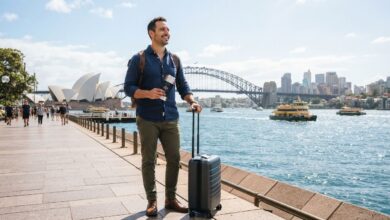
Best Ways to Save Money on Hotels, Flights, and Travel Insurance
Introduction
Saving money on travel does not mean choosing the cheapest option on every screen. Cheap hotels can be far from transport, cheap flights can add baggage fees, and cheap insurance can exclude the exact situation that creates the largest cost. The better goal is value: a trip that costs less without becoming fragile.
This guide explains practical ways to save money on hotels, flights, and travel insurance while still planning responsibly. It is useful for international travellers who want lower costs without taking avoidable risks with documents, health, cancellation rules, or arrival logistics.
Start With a Total-Cost Mindset
A hotel, flight, or insurance policy should not be evaluated alone. A cheap hotel may require daily taxis. A low fare may exclude baggage. A low-cost policy may have weak medical limits. Travellers should compare the total cost of the trip, not only the isolated price of one item.
Build the trip budget in sections: flights, baggage, accommodation, airport transfer, local transport, insurance, meals, entry documents, mobile data, attractions, and emergency funds. This makes it easier to see which savings are real and which only move costs elsewhere.
Hotel Savings That Still Make Sense
The best hotel deal usually balances price, location, cancellation rules, safety, reviews, and transport access. A lower nightly rate can become expensive if the traveller spends more every day reaching attractions, conferences, airports, or family visits.
Travellers should also compare room features. Breakfast, kitchen access, laundry, luggage storage, late check-in, and free cancellation can save money. A room that costs slightly more may reduce meal, transport, or schedule costs across the trip.
Avoid Hotel Fee Surprises
Some accommodation prices change after taxes, resort fees, cleaning fees, city taxes, or service charges. Travellers should review the final amount before paying. The price shown in search results may not always be the final cost.
Cancellation rules matter. Non-refundable rates can be cheaper, but they are risky if visa processing, work schedules, health issues, or flight prices are uncertain. Flexibility can be a form of savings when plans are not fixed.
Flight Savings Without Costly Mistakes
Flights should be compared by final price after baggage, seats, payment fees, airport transfer, and schedule convenience. A cheaper flight that arrives late at a distant airport may cost more after transport or an extra hotel night.
Flexible dates, nearby airports, and route comparisons can help. However, travellers should avoid risky separate tickets unless they understand missed-connection consequences. A protected connection can be worth more than a small discount.
Use Baggage Strategy Before Booking
Baggage fees can change the value of a fare. Travellers should decide what they truly need to carry before buying the ticket. If checked baggage is necessary, compare fares that include it against fares that add it later.
Packing lighter can save money, especially on low-cost flights and multi-city trips. But the packing plan must be realistic. Buying forgotten essentials abroad can also become expensive.
Travel Insurance Savings With Caution
Travel insurance should be selected by coverage, not only by price. Medical limits, trip cancellation reasons, baggage limits, deductibles, exclusions, emergency assistance, and pre-existing condition rules all matter.
A cheap policy may be fine for a low-risk short trip, but it may be weak for expensive destinations, older travellers, adventure activities, cruises, winter sports, or trips with high non-refundable costs. The policy should match the itinerary.
Compare Bundles and Separate Purchases
Airlines and booking sites often offer bundles that include bags, seats, flexibility, or insurance. Sometimes they are useful; sometimes they are expensive add-ons. Travellers should compare bundled prices with buying only what they need.
Insurance offered during checkout should be reviewed carefully. It may not be the best fit for the traveller’s health needs, destination, activity plan, or cancellation concerns. A separate policy can sometimes be clearer.
Timing and Flexibility
Prices can change by season, event, demand, and booking window. Travellers with flexible dates can compare several options before committing. Those with fixed dates should focus more on cancellation rules, flight reliability, and early planning.
Setting a target budget helps. Once a trip component meets the target and the rules are acceptable, booking can be smarter than chasing a tiny additional discount and risking a price increase.
Where Not to Cut Costs
Do not cut costs in ways that threaten the trip. Weak insurance, unrealistic layovers, unsafe accommodation, unclear entry documents, or arriving without backup money can create expensive problems. Good travel budgeting protects the trip first, then looks for savings.
Travellers should spend where it reduces major risk: documents, insurance, safe sleep, reliable transport, and flexibility when plans are uncertain. Savings can come from food choices, attraction timing, lighter luggage, and fewer unnecessary upgrades.
How to Compare Two Travel Packages
When comparing two travel packages, travellers should write the full cost of each option side by side. Include flight baggage, hotel taxes, airport transfer, breakfast, insurance, cancellation rules, local transport, and likely meals. This shows whether a cheaper package is truly cheaper.
For example, a hotel with breakfast and public transport nearby may beat a cheaper hotel with no food options and expensive taxis. A flight with included baggage may beat a low-cost ticket with strict add-ons. The best deal is the one that protects the whole itinerary.
Use Reviews Carefully
Reviews can help identify hidden costs and practical issues. Travellers should look for comments about noise, safety, cleaning fees, check-in problems, transport access, refund issues, and surprise charges. A high rating is useful, but recent detailed reviews are often more informative.
For insurance, reviews should not replace policy reading. A traveller needs to know what the insurer promises in writing, not only how other customers felt. The policy terms are what matter during a claim.
The same logic applies to flights. Reviews can reveal common baggage enforcement, support problems, or delay patterns, but travellers still need to read the fare rules and airline notices before buying.
Savings Checklist
- Compare final hotel cost after taxes and fees.
- Check whether location reduces transport spending.
- Compare flights after baggage, seats, and transfers.
- Avoid tight separate-ticket connections.
- Review insurance limits, exclusions, and deductibles.
- Use flexible dates where possible.
- Keep an emergency fund outside the daily budget.
Quick Review Table
| Travel Item | Smart Saving | Risky Saving |
|---|---|---|
| Hotel | Good location with useful included services | Cheap room far from transport |
| Flight | Fair total fare with realistic schedule | Low fare with hidden baggage and transfer costs |
| Insurance | Coverage that fits the trip | Cheapest policy without reading exclusions |
| Budget | Clear daily limits and buffer | No emergency fund |
Conclusion
The best travel savings come from comparing the whole trip. Travellers who evaluate hotel location, flight rules, insurance coverage, cancellation flexibility, baggage, and arrival logistics can reduce costs without weakening the travel plan.
For more information, review the official guidance below before taking the next step.
You will be redirected to another website
FAQ
Is the cheapest hotel usually the best deal?
Not always. A cheaper hotel can cost more if it is far from transport, charges extra fees, lacks cancellation flexibility, or creates safety and convenience issues.
How do I compare flight prices fairly?
Compare the final price after baggage, seat selection, payment fees, airport transfer, arrival time, and connection risk. The headline fare is only the beginning.
Can I save money by skipping travel insurance?
Skipping insurance can be risky, especially for international trips. Medical care, cancellations, baggage issues, and disruptions can become expensive. Review coverage instead of focusing only on price.
What is the safest way to save?
Cut optional costs first: expensive meals, unnecessary upgrades, extra luggage, and overpacked itineraries. Be careful cutting insurance, documents, safe accommodation, or reliable transport.
Editorial Note
This article is general educational information and does not provide legal, immigration, medical, insurance, financial, or travel advisory services. Airline rules, entry requirements, prices, insurance terms, safety conditions, and travel policies can change. Readers should verify details with official sources, airlines, insurers, and relevant authorities before booking or travelling.
Published on: 31 de August de 2026

Daniel Carter
Daniel Carter is the lead editor at Abroad FinancasPro, where he researches and edits practical guides about visa sponsorship, scholarships, travel preparation, immigration documents, and living abroad. His work focuses on helping readers understand requirements, compare options, prepare documents, avoid common mistakes, and verify important details with official sources before taking the next step.